
Ending Your Marriage Through Legal Process
Protect Your Rights!
Dissolution of Marriage in Dayton for spouses seeking formal termination of their legal union
Ohio law recognizes dissolution as a formal legal process that ends a marriage, addresses property and debt division, and establishes custody and support arrangements when applicable. This process requires both parties to work together toward a mutually acceptable agreement covering all terms, which is then submitted to the court for approval and incorporation into a final decree. Frank A Malocu Attorney At Law assists clients through each stage of the dissolution process in Dayton, from initial document preparation through finalizing court orders that legally terminate the marriage and establish enforceable rights and obligations. You do not need to be a U.S. citizen to pursue dissolution in Ohio courts regardless of visa status, though residency requirements and other factors specific to your situation must be evaluated.
The dissolution process involves preparing a petition signed by both spouses, drafting a separation agreement that addresses all financial and custody matters, and attending a court hearing where the judge reviews the agreement and asks questions to ensure both parties understand and voluntarily accept its terms. Unlike contested divorce, dissolution requires cooperation and agreement on every issue before the case is filed.
Schedule a consultation to review whether dissolution is appropriate given your circumstances and level of agreement..
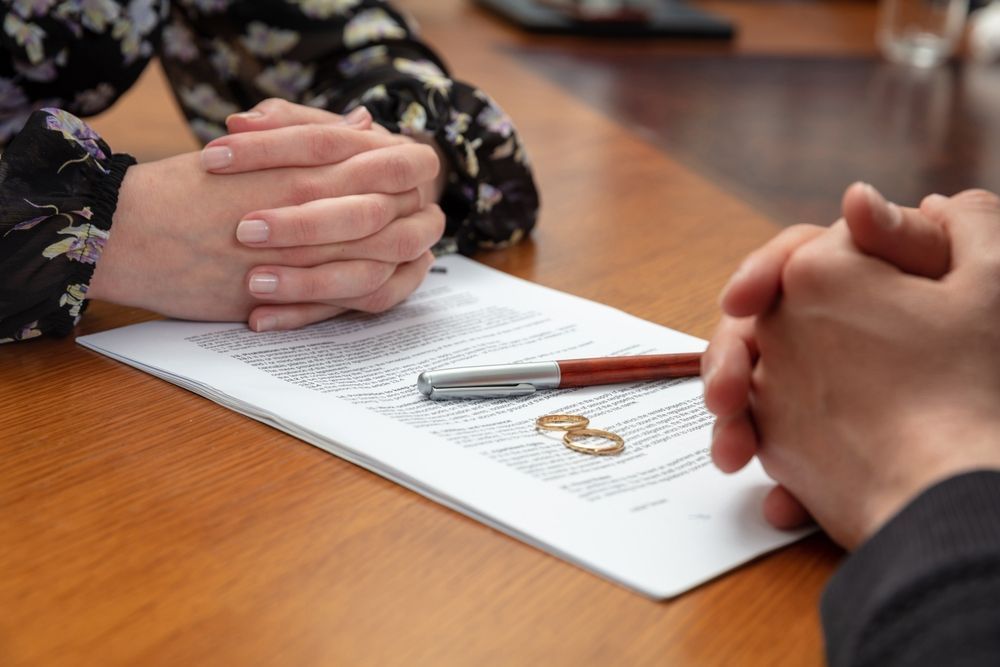
What the Legal Process Requires
Preparation begins with both spouses disclosing all assets, debts, income, and expenses, then negotiating how property will be divided, whether support will be paid, and how custody and parenting time will be structured if children are involved. These terms are documented in a separation agreement that both parties sign, confirming they have reached full agreement voluntarily and with complete financial disclosure. The petition and agreement are filed together, and the court schedules a hearing where both spouses must appear.
After the hearing, you receive a final decree that incorporates the separation agreement and legally ends the marriage. The decree establishes each party's property rights, support obligations, and parenting responsibilities, and both parties are bound by its terms. Titles transfer, accounts are divided, and custody schedules take effect according to what was agreed upon and approved by the court.
Dissolution requires that both parties remain in agreement throughout the process, from filing through the final hearing. If disagreements arise on any issue before the decree is issued, the case cannot proceed as a dissolution and must convert to a contested divorce. The court will not approve a dissolution if it appears one party was coerced, if the agreement is unfair, or if child custody arrangements do not serve the children's best interests.
Answers to Questions About Dissolution
Clients considering dissolution in Dayton frequently ask about the differences between dissolution and divorce, what happens if agreement breaks down, and how long the process takes.
- What is the difference between dissolution and divorce? Dissolution requires full agreement on all issues before filing and results in a joint petition, while divorce can be filed by one spouse and allows the court to resolve disputes the parties cannot settle on their own.
- What happens if we disagree on one term after filing for dissolution? If agreement breaks down on any issue after filing but before the final hearing, the dissolution case cannot proceed and must be converted to a contested divorce where the court will resolve the disputed matters.
- How long does the dissolution process take in Dayton courts? Ohio law requires a waiting period between filing and the final hearing, and additional time depends on court scheduling, but dissolution generally moves faster than contested divorce because no disputes need resolution.
- Do we both need to attend the final hearing? Yes, both spouses must appear at the dissolution hearing so the judge can confirm that each party understands the agreement, entered into it voluntarily, and agrees to its terms.
- Can non-citizens file for dissolution in Ohio? Citizenship is not required to pursue dissolution in Ohio courts, and visa status does not affect eligibility, though residency requirements and other case-specific factors should be reviewed during consultation.
Frank A Malocu Attorney At Law prepares dissolution petitions and separation agreements that meet Ohio legal standards and protect your interests while ensuring enforceability. Arrange a case review to determine whether dissolution is appropriate and to begin preparing the necessary documents and disclosures.
Contact Us
We will get back to you as soon as possible.
Please try again later.